Access Control
Safe and Convenient Door Opening
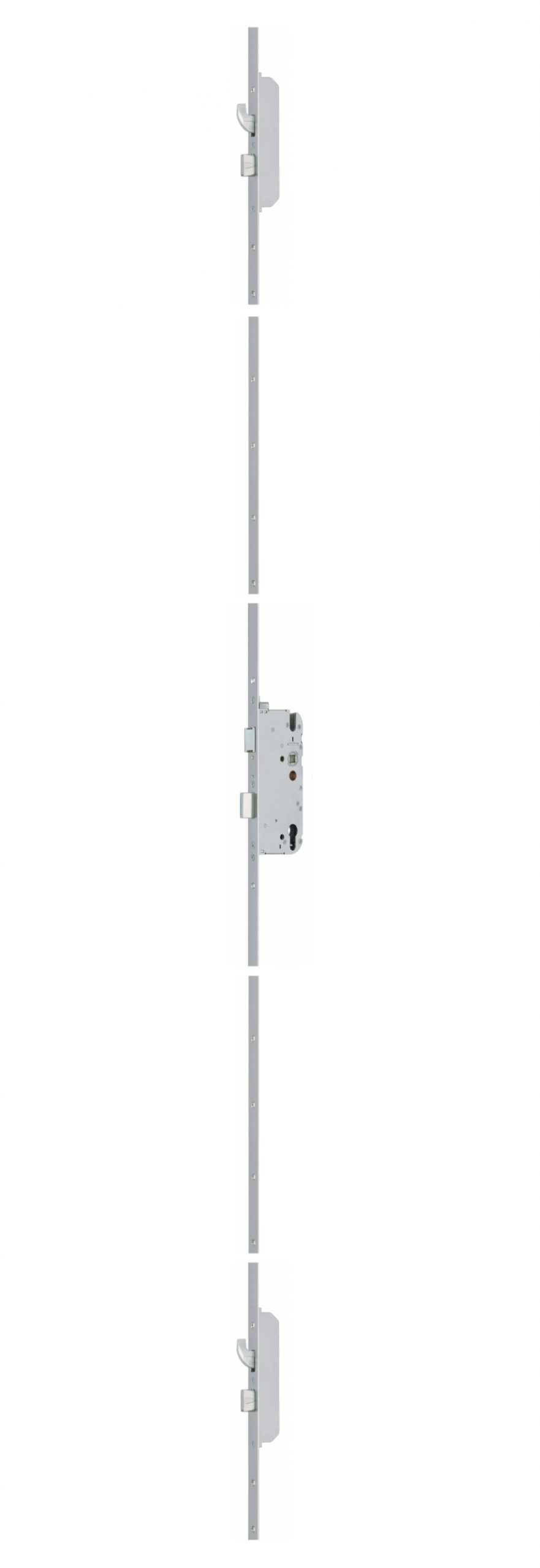
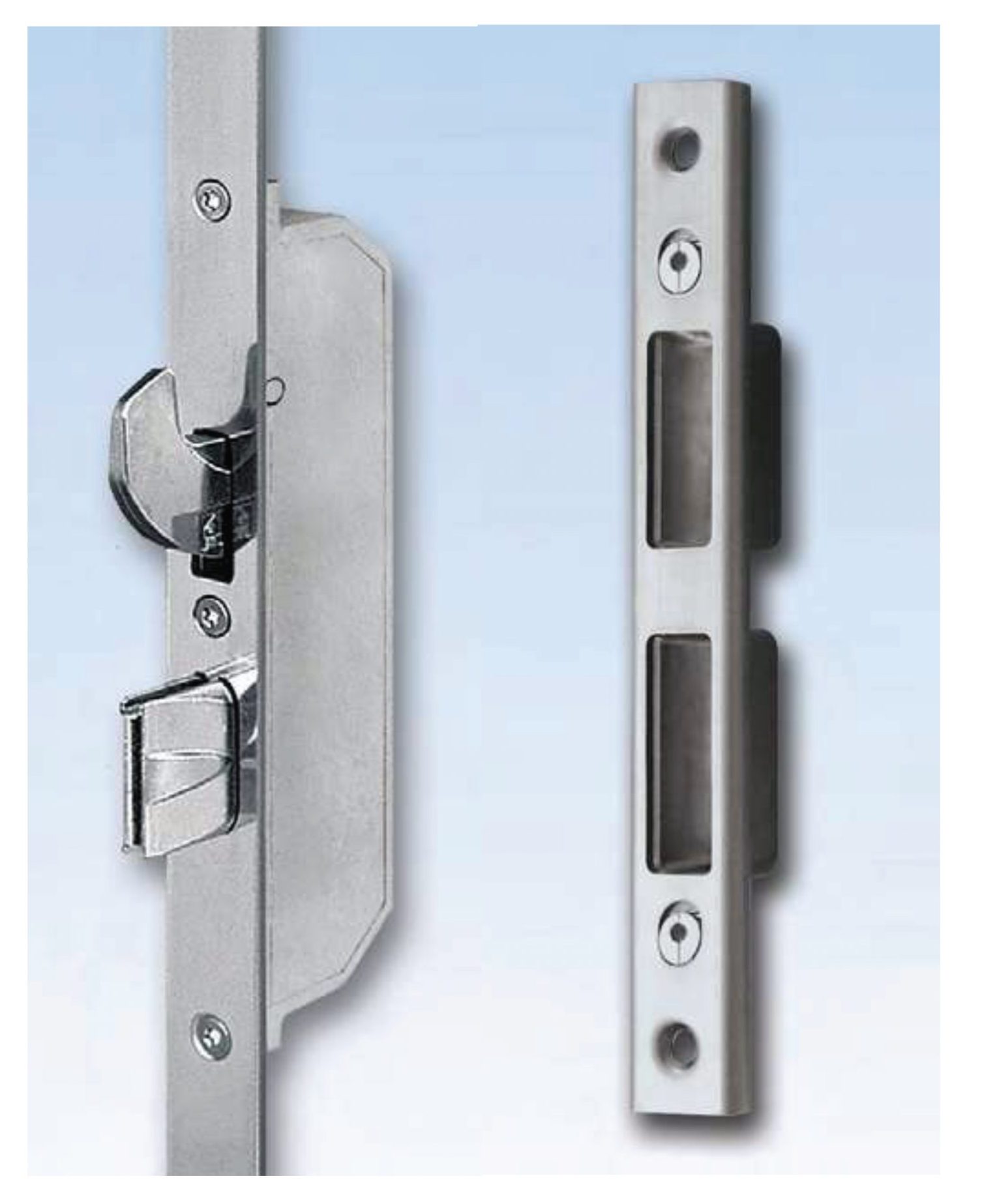
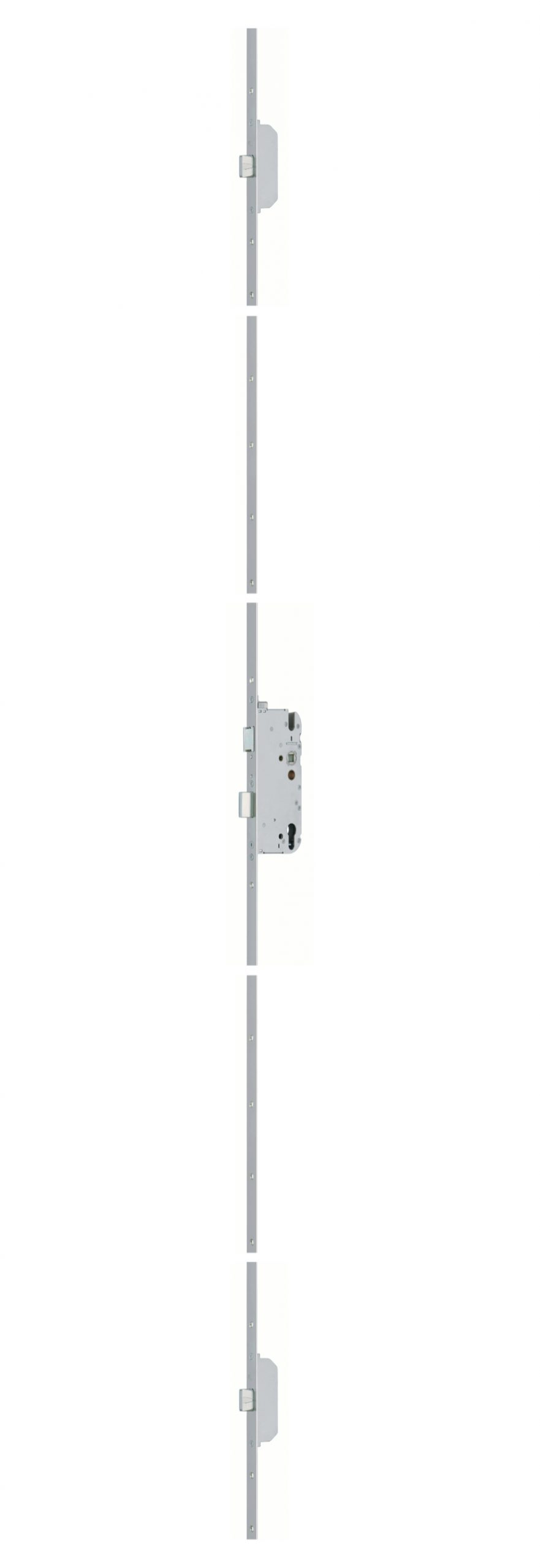
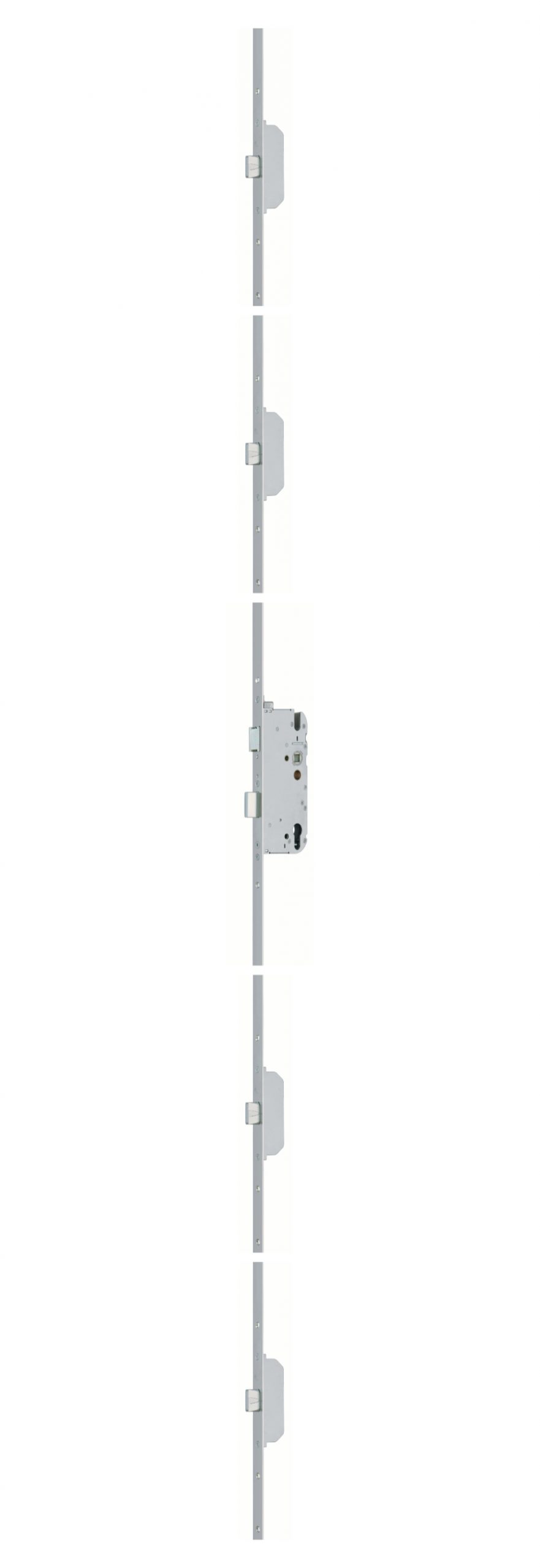
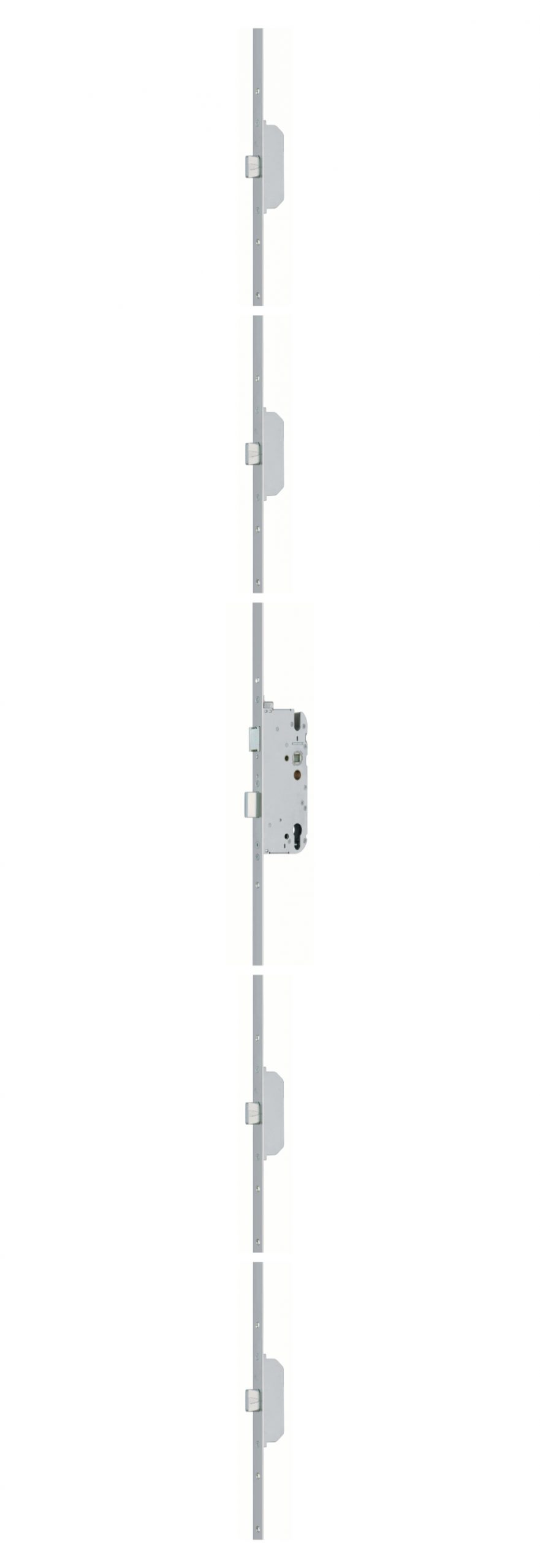
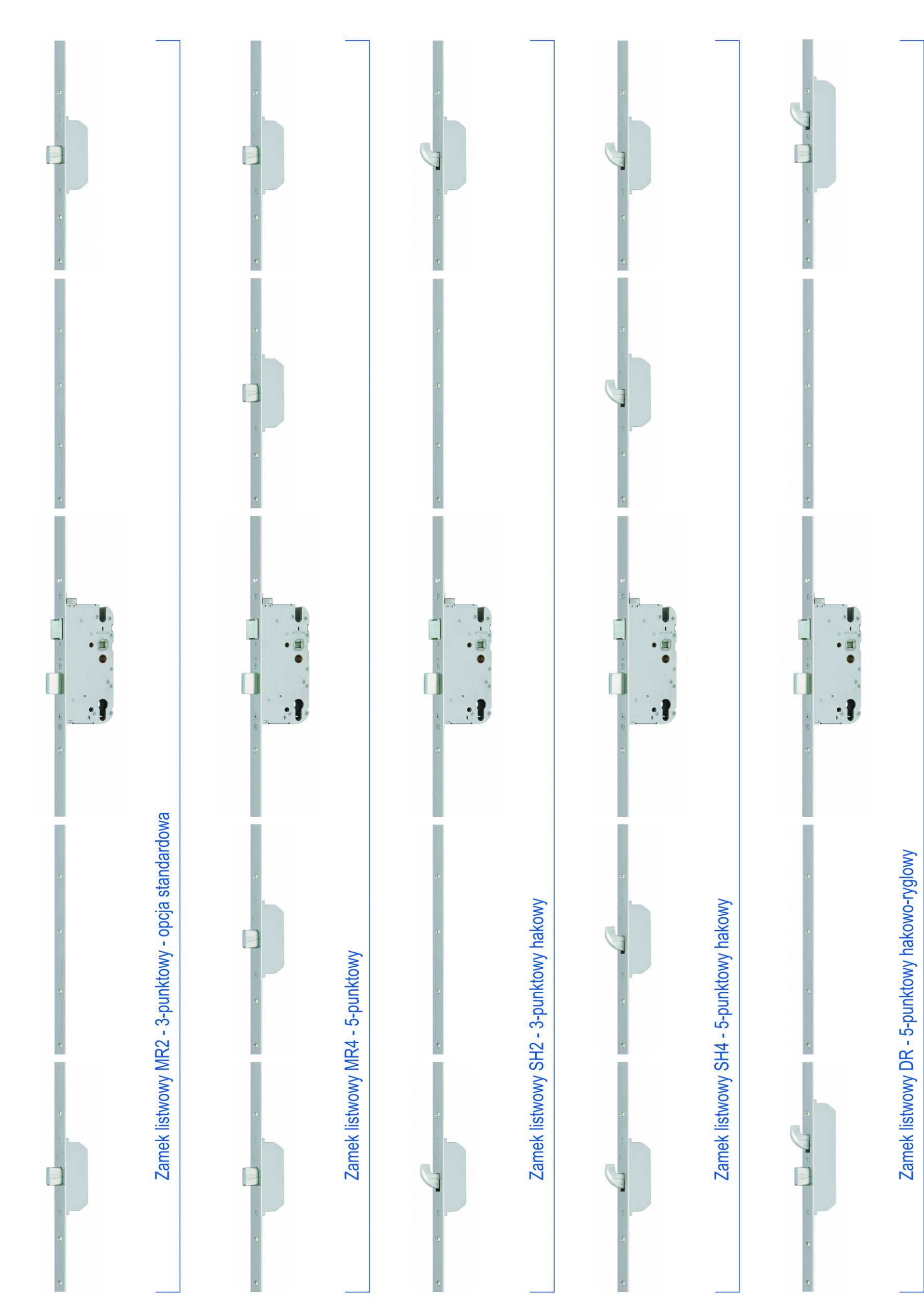
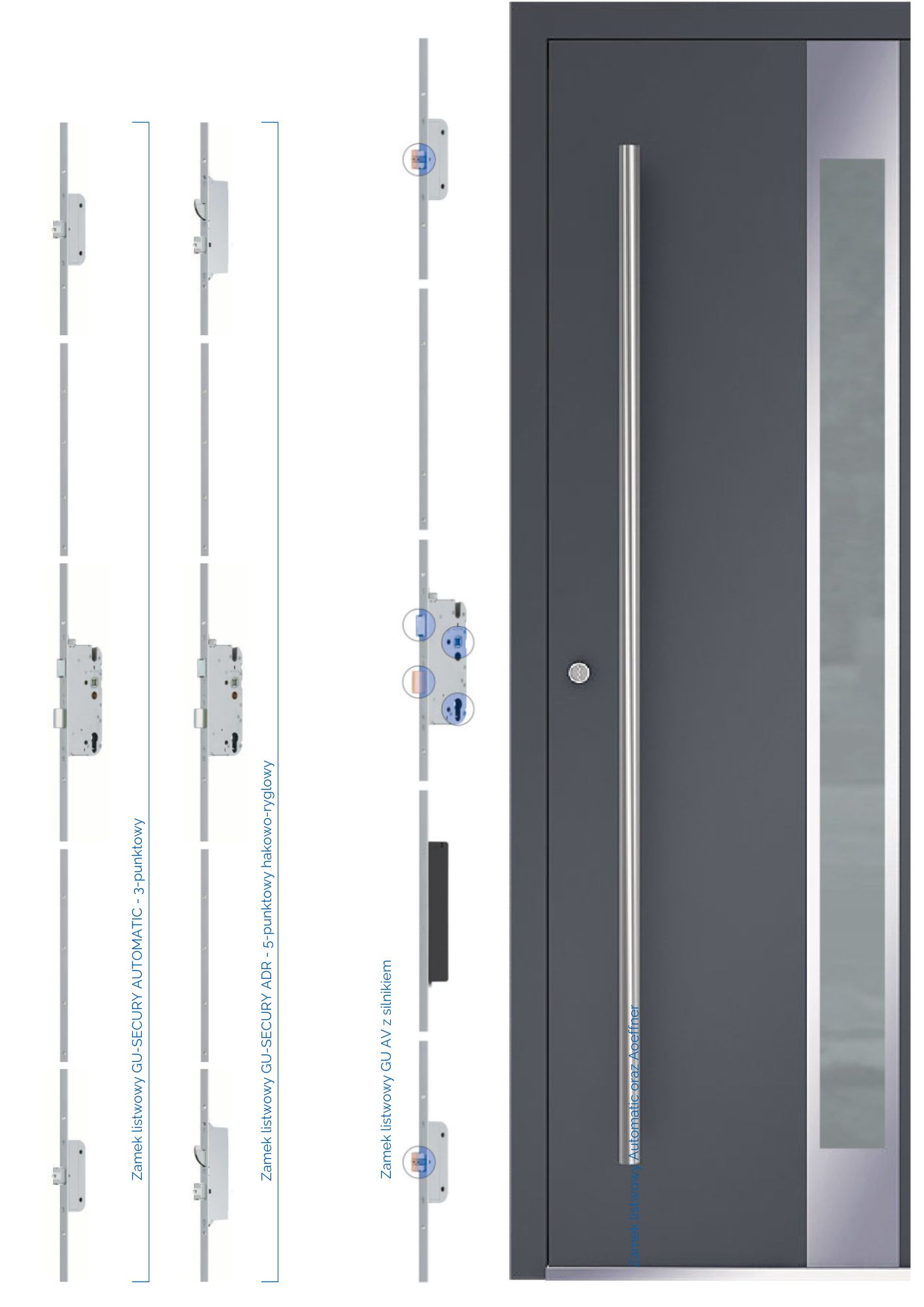
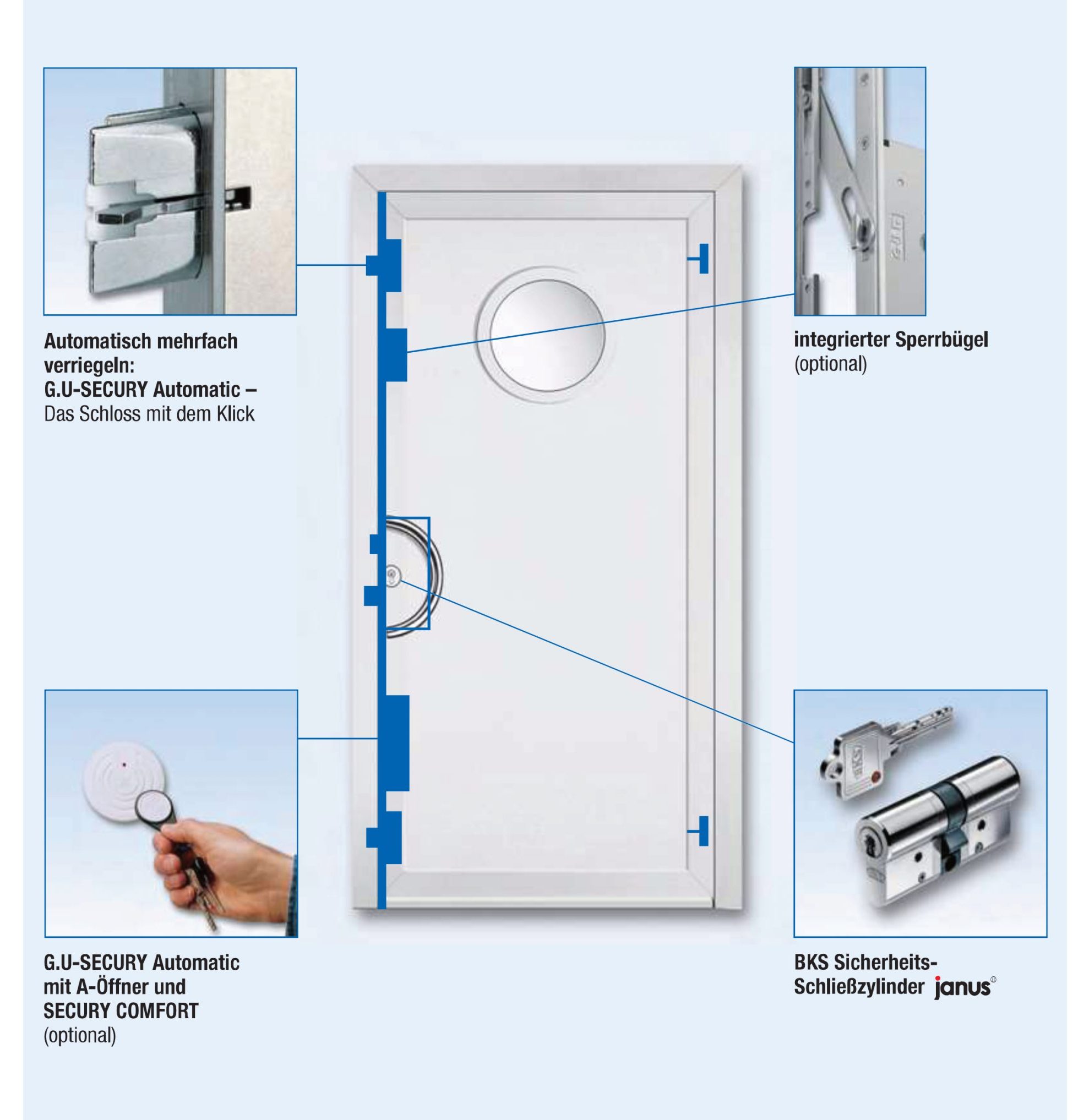
Doors from are equipped as standard with a 3-point multipoint strip lock from the German company (GU-Automatic MR2). Once the door leaf is closed, the door locks at 3 points. Locking is activated by turning the key in the cylinder, which extends the upper and lower deadbolts (Massivriegel) and engages the central latch (Falle). Another option is the automatic lock (GU Secury-Automatic), where the door locks automatically at 3 points immediately after the door leaf is shut.
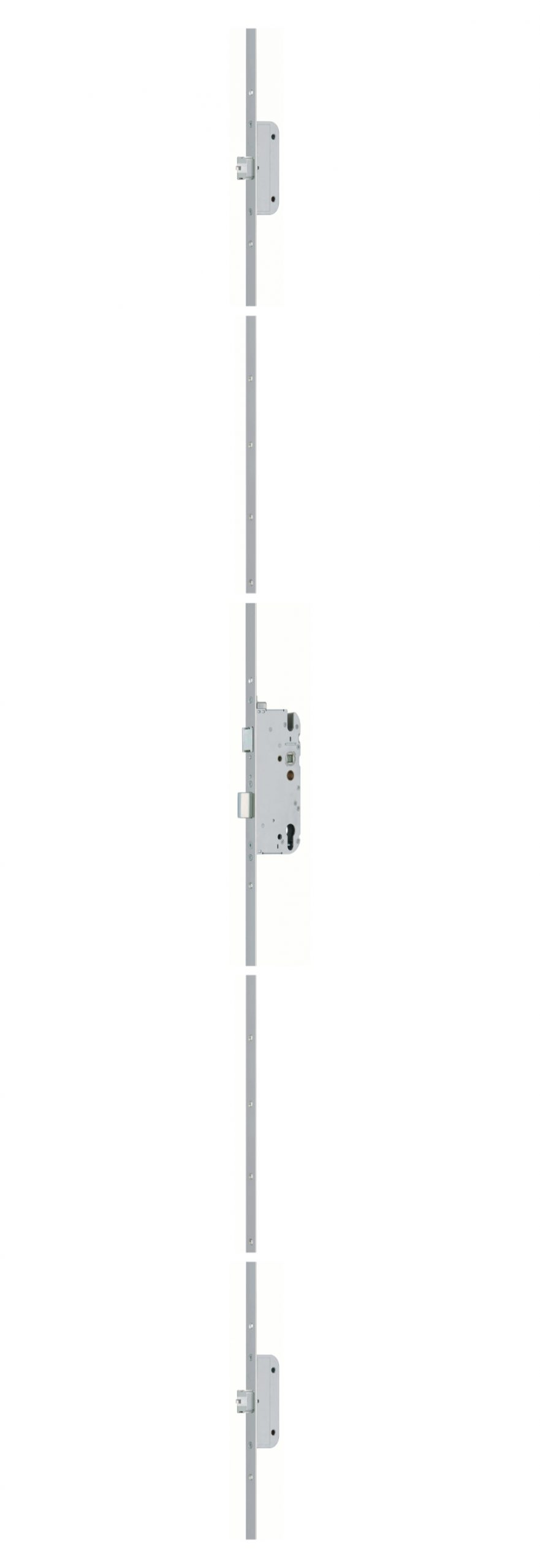
Customers seeking a higher level of security can choose 4-point or 5-point multipoint strip locks in various burglary-resistance classes and operating comfort levels.

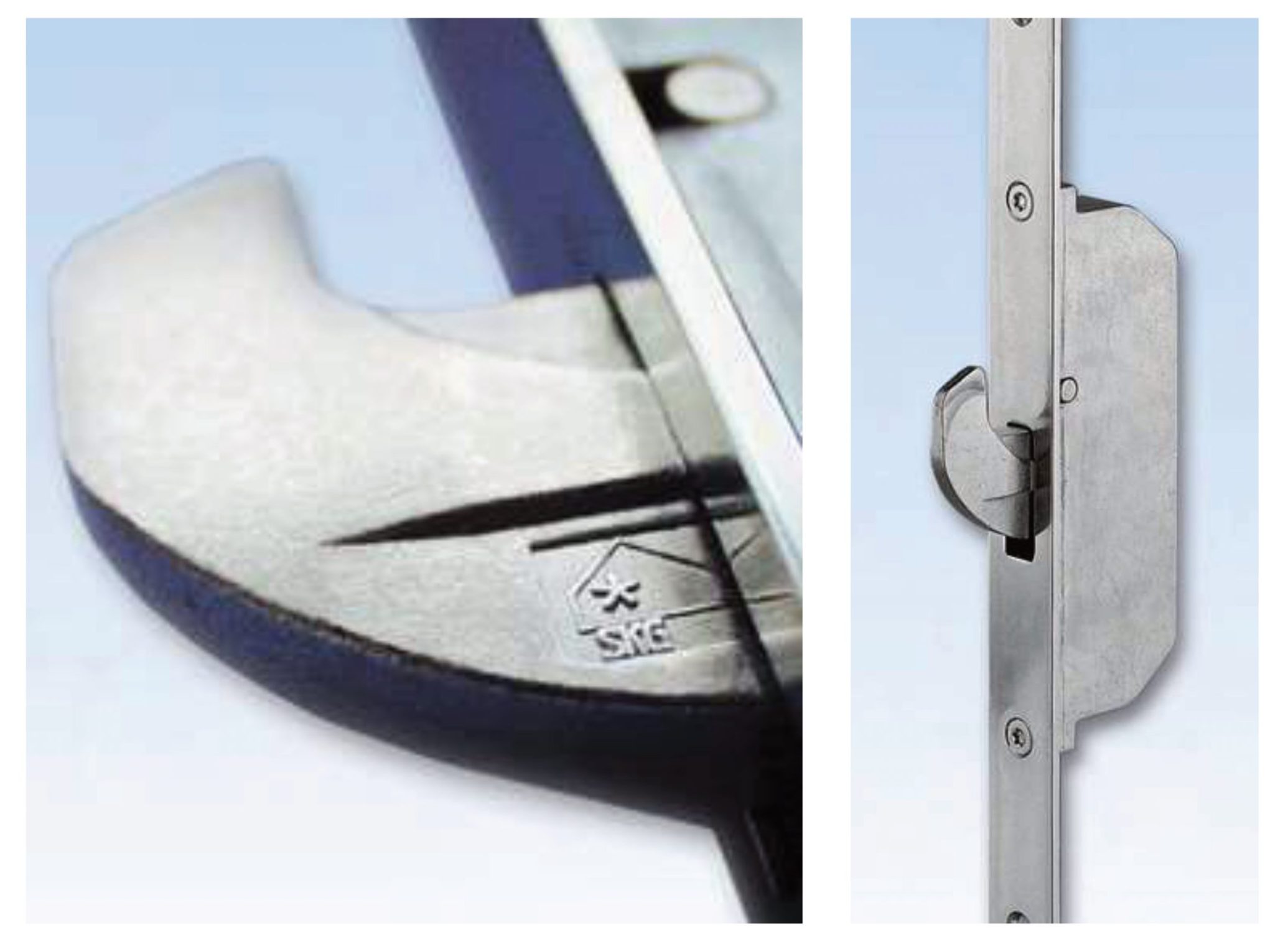
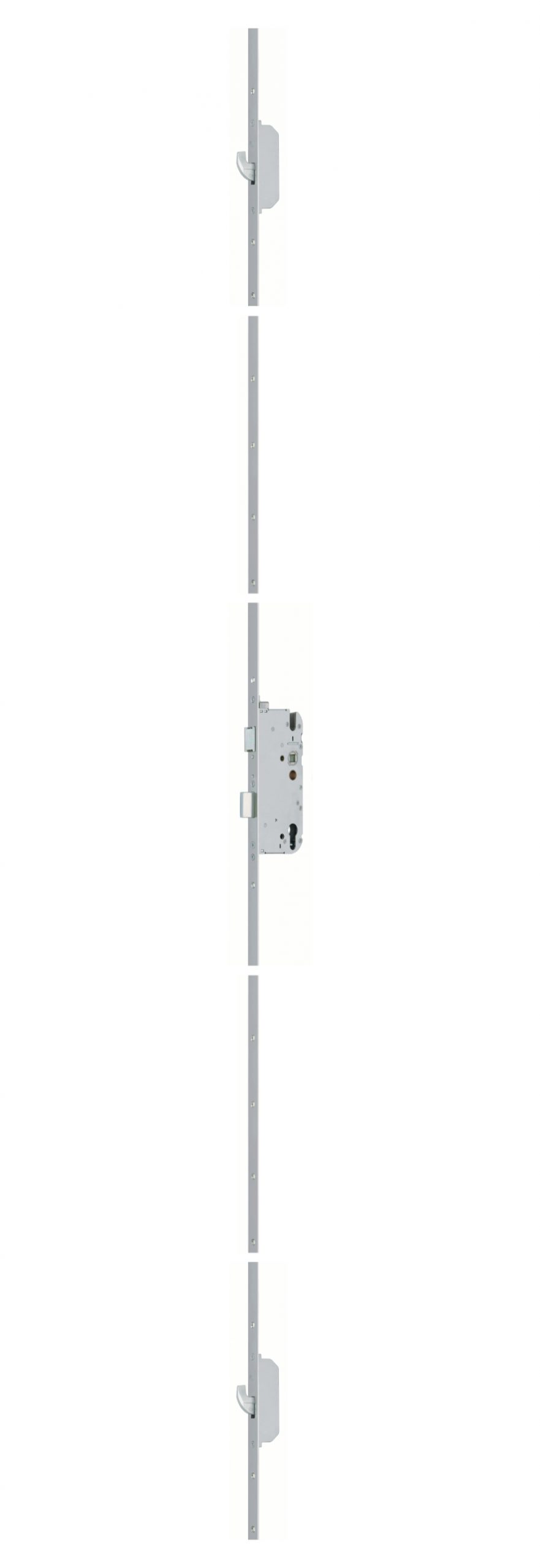
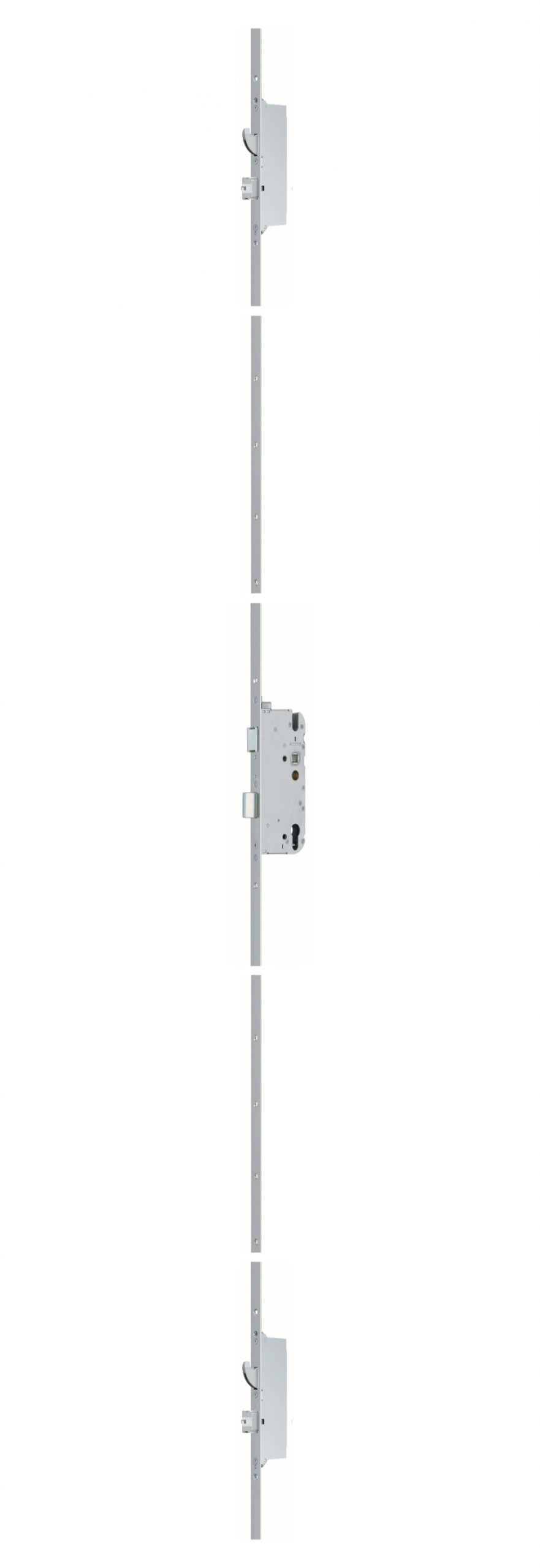
Another option is purchasing locks with hook bolts (Schliesshaken), which engage even deeper into the strike plates for increased security. However, these are available only with manual locking systems.
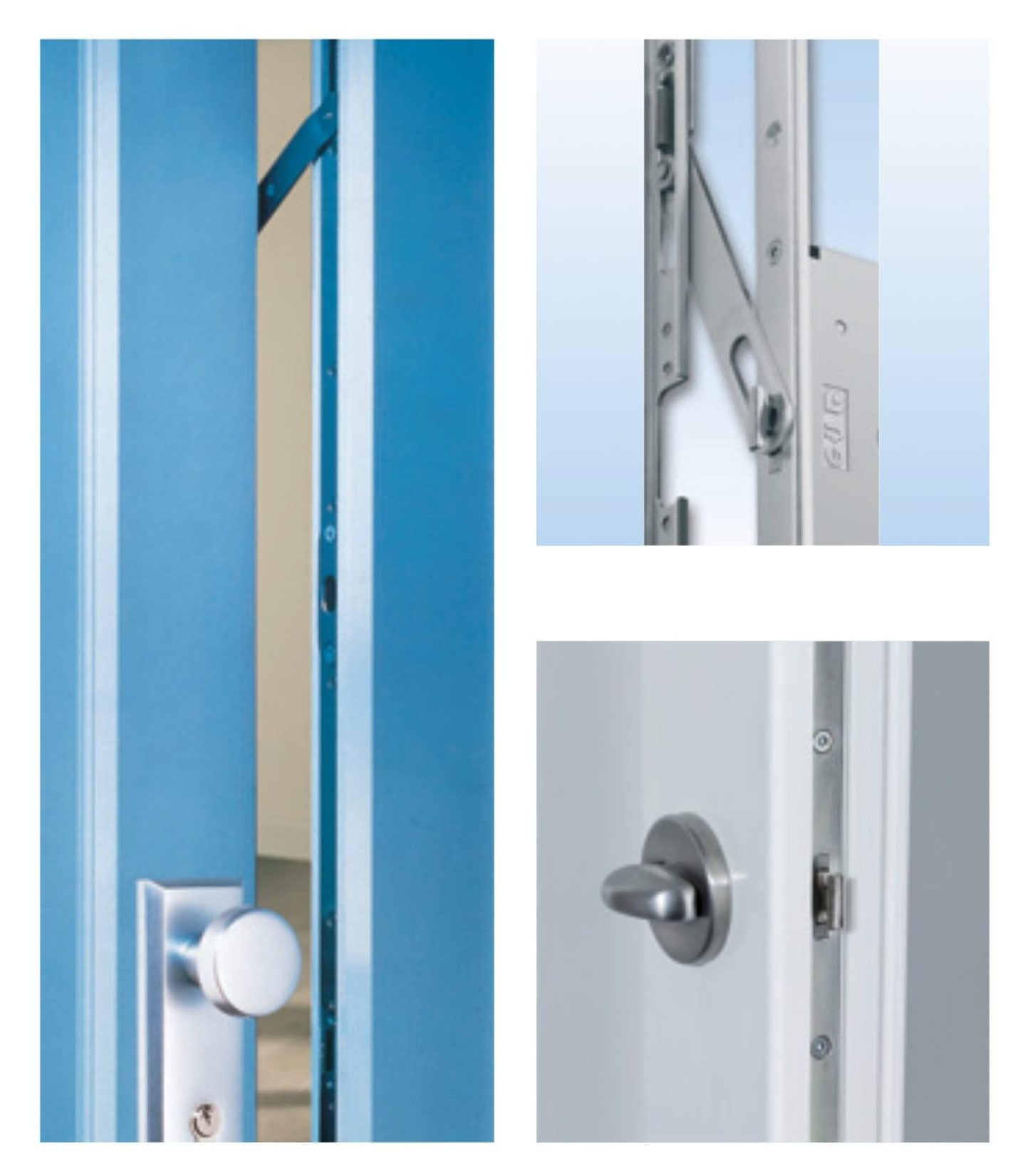
Additional equipment for the multipoint strip lock may include an integrated rigid security chain (Sperrbügel), allowing the door to be safely opened partially while preventing full opening.
The GU-Secury Automatic DR and ADR lock systems have been tested in RC4 anti-burglary resistance class, meeting very high security standards. As standard, they are equipped with double bolts at the top and bottom, one of which additionally functions as a hook bolt.
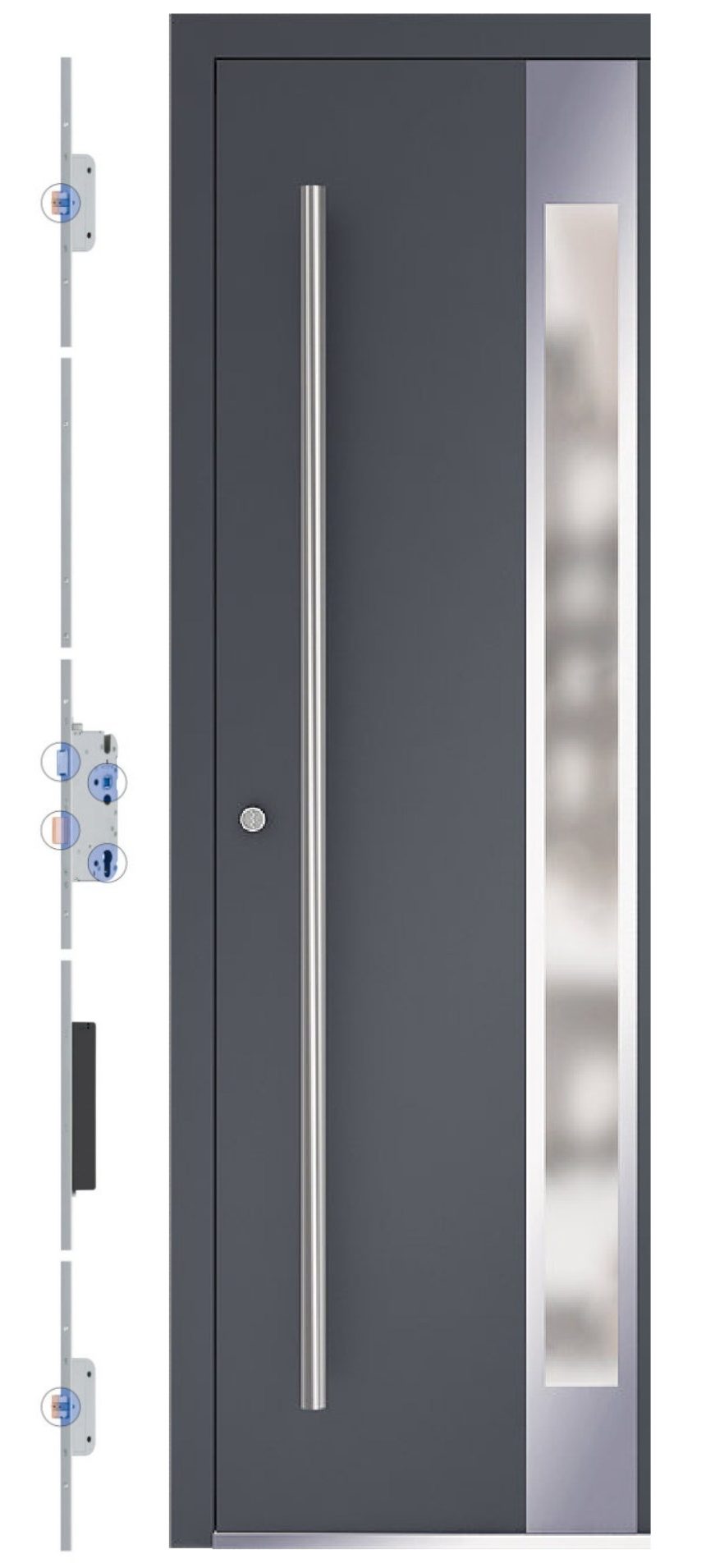
Doors can also be equipped with a multipoint strip lock featuring an integrated motor (GU-Secury Automatic mit A-Öffner), enabling electric opening. This solution is commonly used when integrating the lock with an access control system.
Due to fire safety, evacuation, and burglary protection requirements, doors may also be equipped with panic locks (GU-Secury with Panic Function). These locks can unlock multipoint systems both mechanically and electrically. They also comply with DIN EN 179 and EN 1125 standards.
Emergency Exit Locks According to EN 179
Designed for buildings or areas not frequently used by the public, where users are familiar with the function and operation of emergency exit doors. Emergency exit locks are used wherever public traffic can be excluded. During durability testing, all locking elements must be released and any objects that could obstruct the escape route must be removed. To simulate real-life conditions as closely as possible, the door is subjected to a pressure force of 25 Newtons during testing.
To achieve the maximum force required to release the emergency lock — 70 Newtons — smooth cooperation between the handle position, locking components, and frame drilling points is essential. After successfully passing the durability test, the locking mechanism undergoes additional vandal-resistance testing to confirm suitability for everyday use.
Panic Locks According to EN 1125
These are used in public buildings or areas where visitors, even without knowledge of how panic doors operate, must be able to open the door in an emergency without any instructions. The goal is to ensure safe evacuation with minimal effort. Even under door pressure, the panic lock must still release properly (maximum 220 N release force with 1000 N pressure applied to the door).

Safe and Convenient Door Opening
Comprehensive Window and Door Accessories
Door Closers That Ensure Comfort and Safety
Perfect Performance Starts with Hinges